Written by Sasha Richard
Halloween is a day that many enjoy- especially kids- celebrated with candy, trick-or-treating, scary movies, pumpkins, and with other fall decorations mixed in. It is a fun time of year, with activities for all ages. This is how Halloween is known by most, as a lighthearted time to spend with friends.
However, the original traditions of Halloween were quite different than the ones we know and practice today. According to this article about Halloween, Ancient Origins of Halloween, the day first began as an ancient Celtic festival that was celebrated over 2,000 years ago on October 31st.
This time was associated with darkness and death since it was the beginning of a long, hard winter. The night of the 31st, the festival, called Samhain, was celebrated, in recognition of the ghosts of the dead and to protect themselves against evil entities. They were said to walk Earth on that specific night, as it was said that it was the time when the spirit veil was the thinnest, according to the Celts.
The day was celebrated by lighting bonfires and wearing costumes to ward off spirits, not too far off from today’s traditions, but Halloween has still come a long way since then. As shown in this text about how more recent Halloween trends were introduced, The History of Trick-or-Treating, Europeans had adopted the practice, but children instead went from door to door asking for food, “treats” and other items in exchange for services or entertainment.
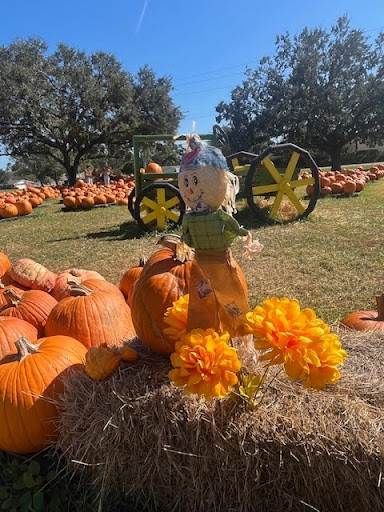
The holiday was called “All Saints Day," dedicated to remembering the holy saints of the Catholic Church, who played a part in evolving the day. The tradition of house to house hoping for a reward then traveled with people to the United States, where the “trick” part was added to “trick or treat." Kids would go around to houses in their neighborhood, participating in small pranks for fun if they were not given a “treat.”
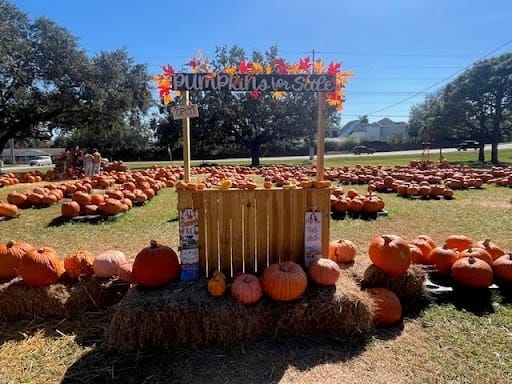
The practice slowly turned into the fun we know today, except just with more treats. Another popular hobby of some on Halloween is carving pumpkins, as fall décor. The practice started in Ireland to ward off the spirit of “Jack” by carving Jack-o-lanterns, which is also mentioned in this article about pumpkin carving, The History of Pumpkin Carving.
Today Halloween is more unserious and is more for the enjoyment of youth than anything else, especially in the US. Although, it is interesting to see how much the history of Halloween has changed over decades of time, from being a ceremony for protection from vengeful spirits to a spooky day filled with candy and costumes.